
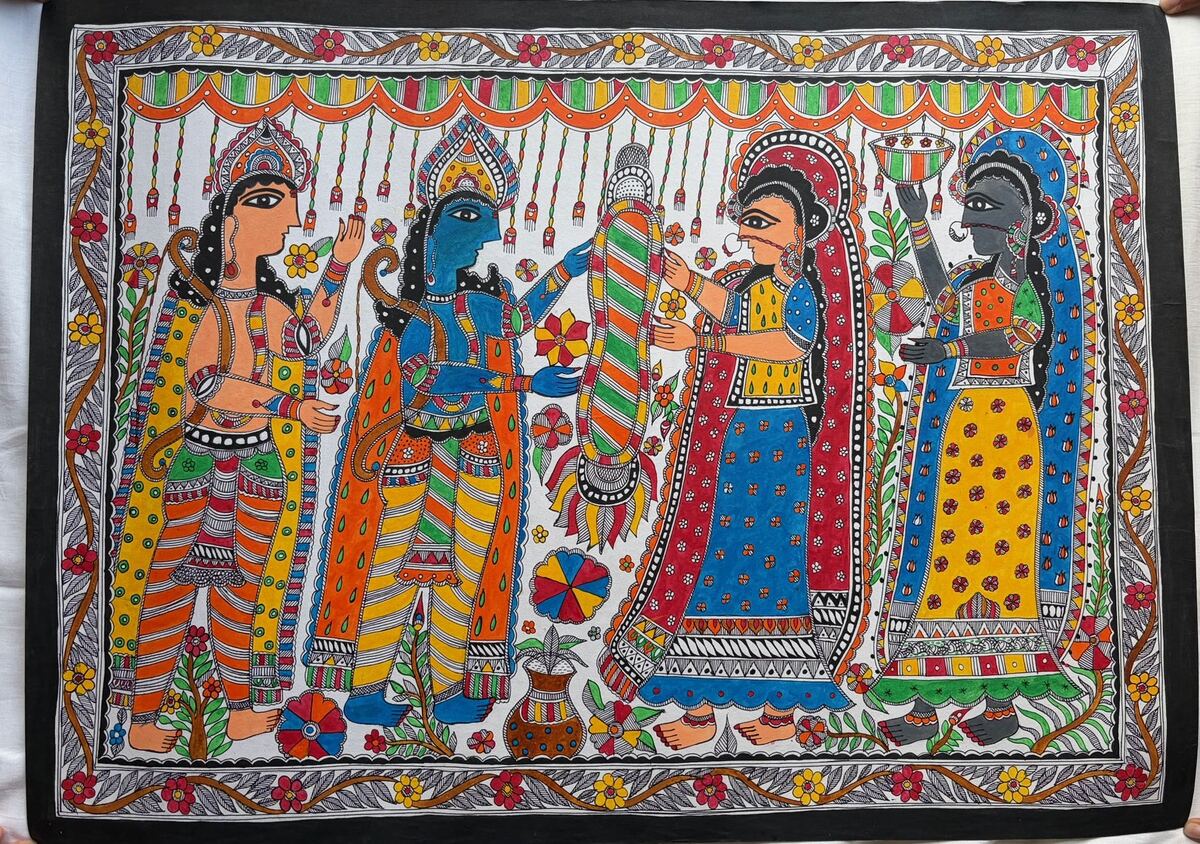
Weddings
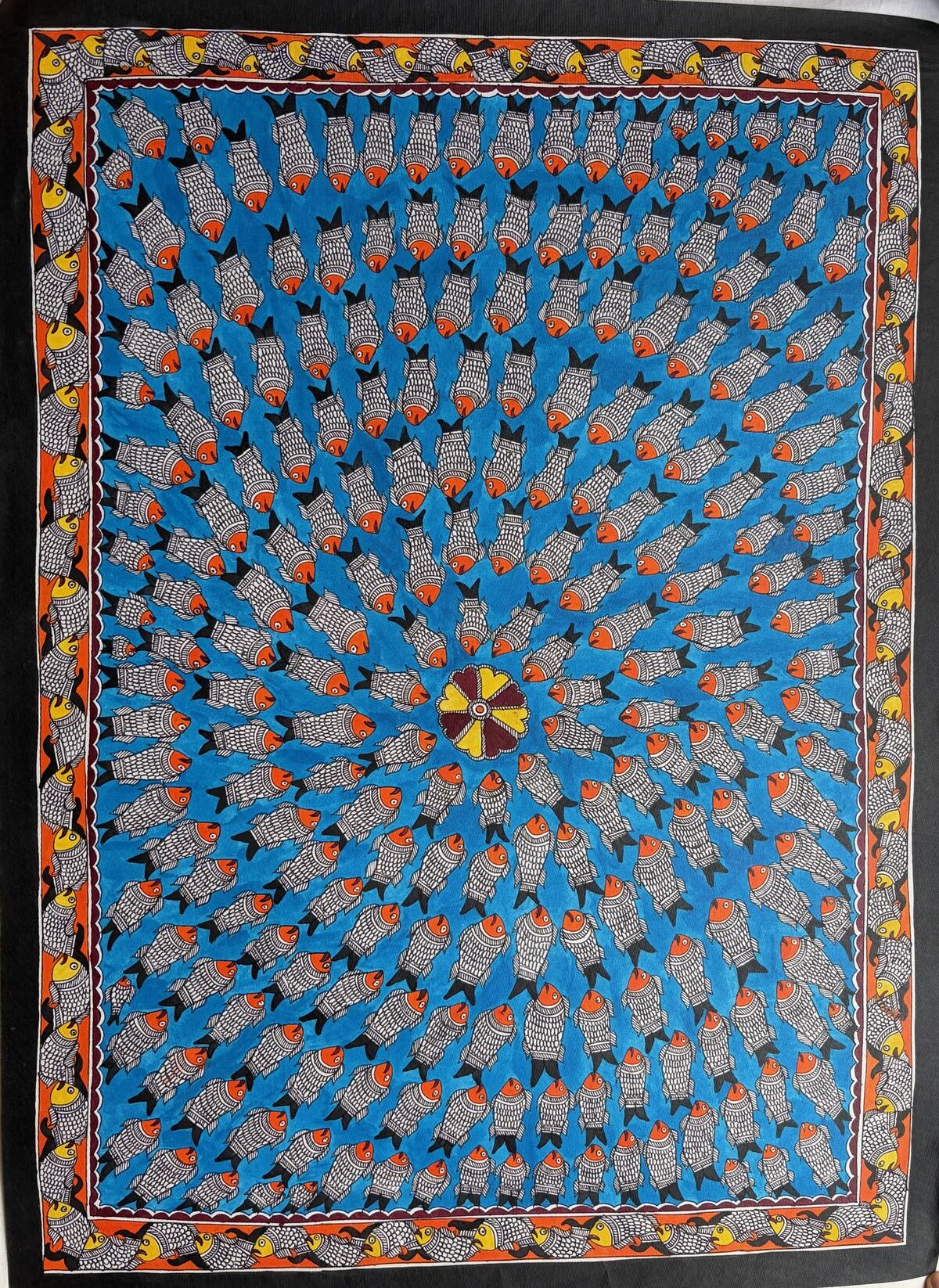
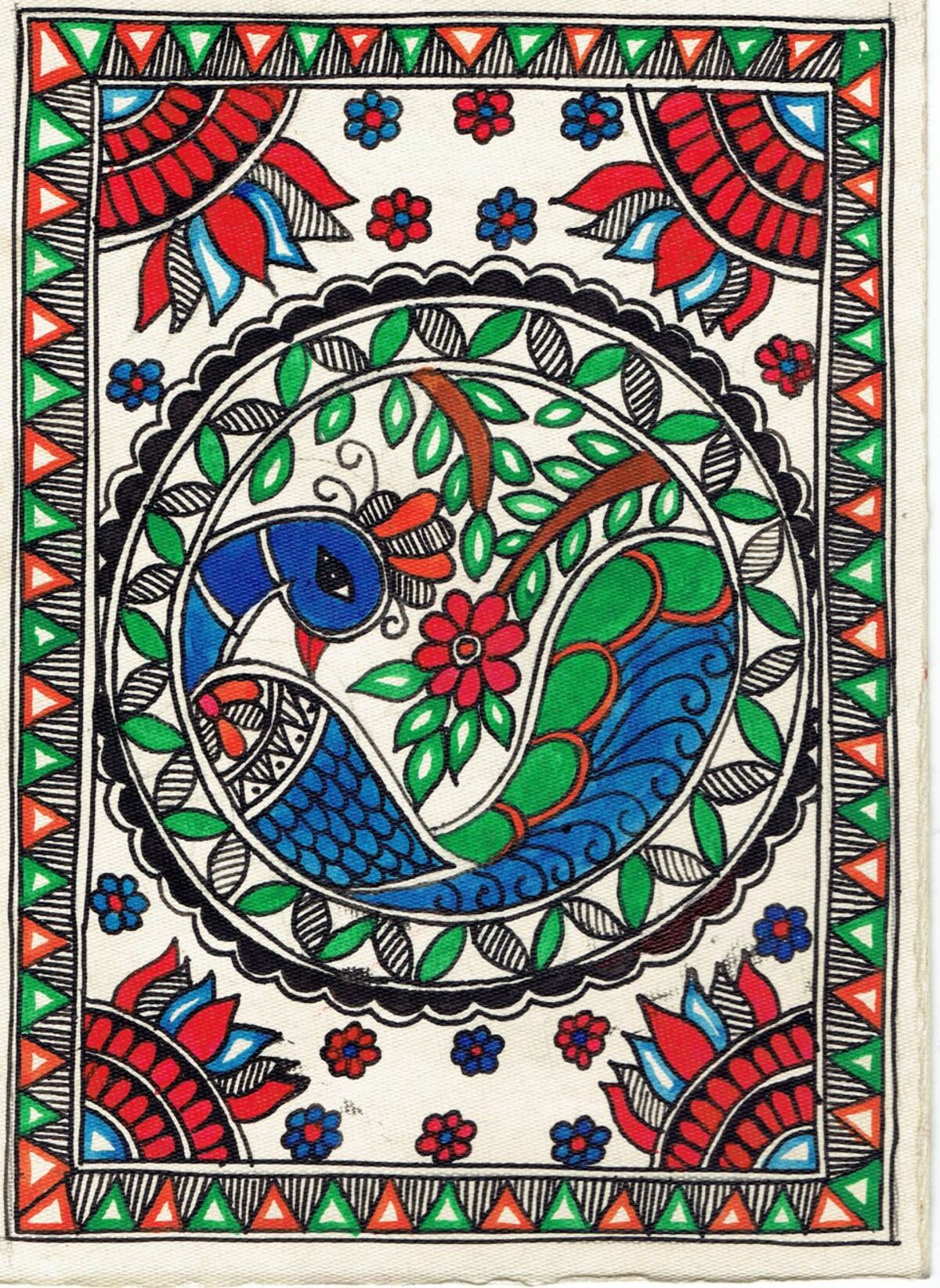
The most important painting is the kohbar, made in the bridal chamber. Its lotus, bamboo, fish and parrots are blessings for love, family and a long life together.
Mithila painting
A centuries-old art of the women of Mithila, hand-painted today in Madhubani, Bihar. House of Mithila brings original pieces to homes across North America, framed to your choice, each with its certificate and its story.
The art
In Mithila, the Maithili-speaking land of north Bihar and Nepal's Terai, women have painted the walls and floors of their homes for centuries. Written references go back at least to the 14th century. Legend says King Janaka had his kingdom painted for the wedding of his daughter Sita to Rama.
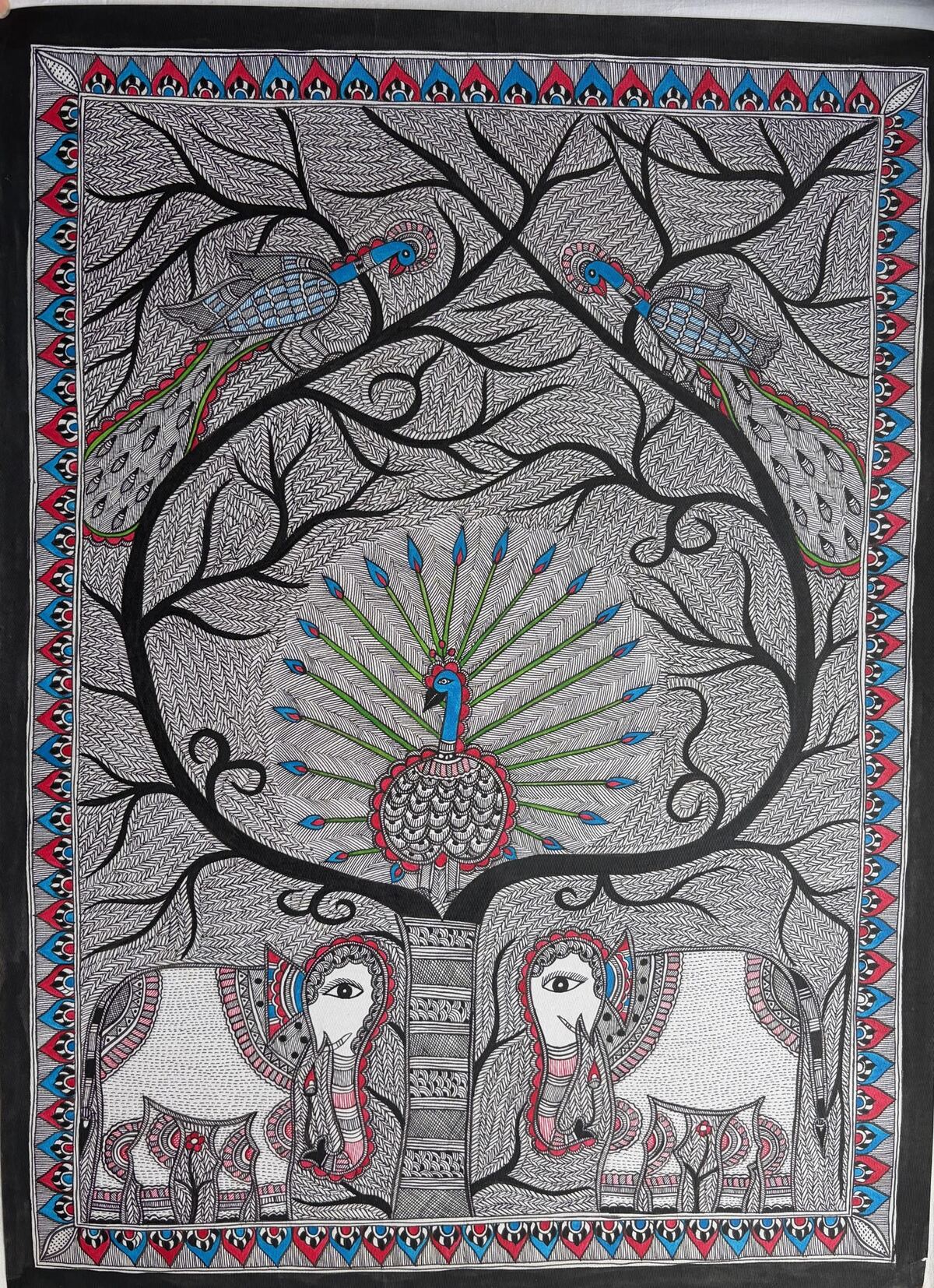
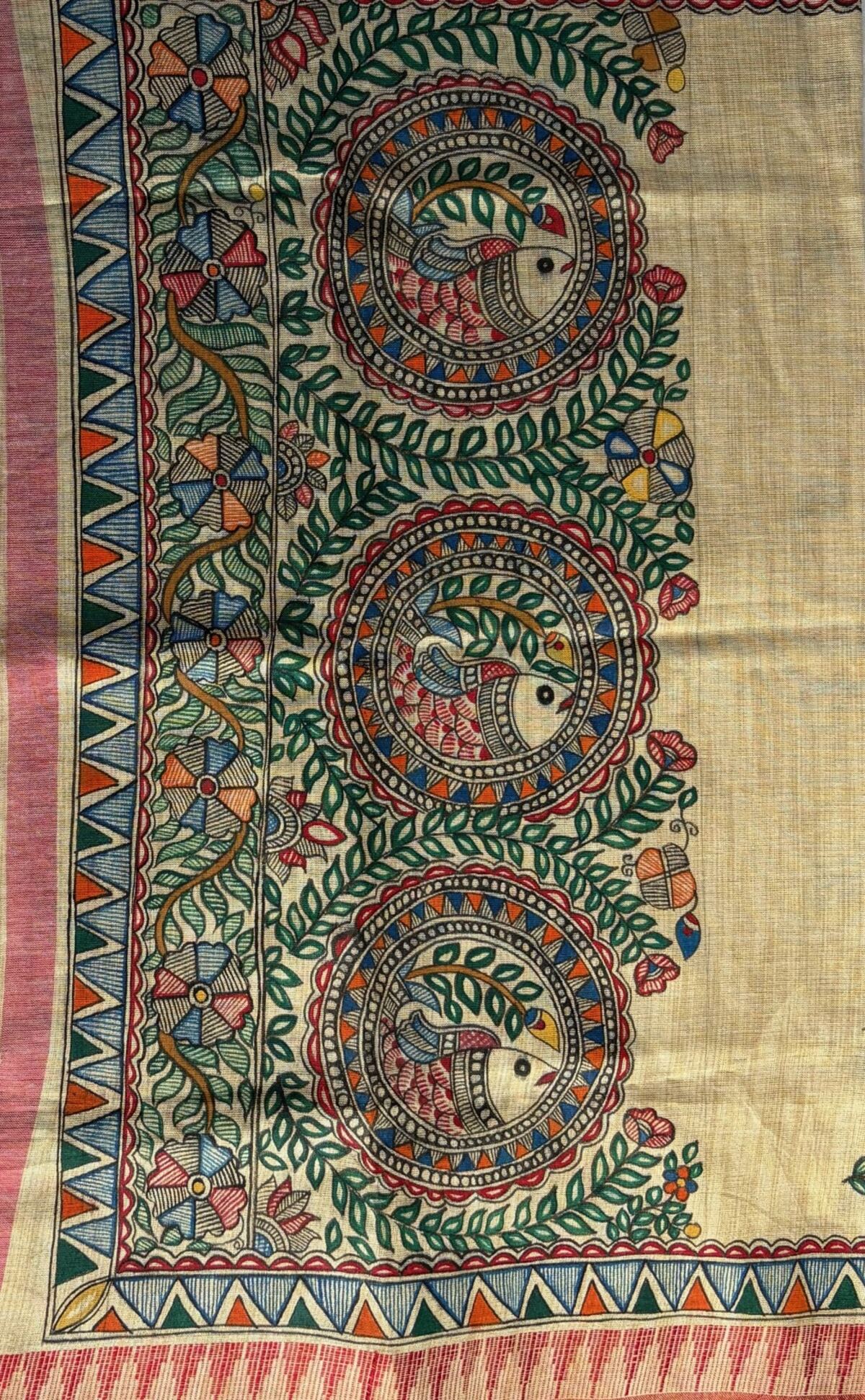
The paintings mark the moments that matter: weddings, births, festivals and prayers. The most important is the kohbar, painted in the bridal chamber. Its lotus, bamboo, fish and parrots are blessings for love, family and a long life together.
During the Bihar drought of 1966–68, artists from Madhubani began painting on paper so their work could travel. Today Mithila painting hangs in museums from Japan to London.
The art is still learned the way it always was, by sitting beside someone who paints. “I would sit beside my mother and watch how she painted,” says Ashu, Arti Devi Paswan's younger daughter.
The five styles
Bold outlines filled with bright, flat color.
Fine line work and hatching, often in black and red.
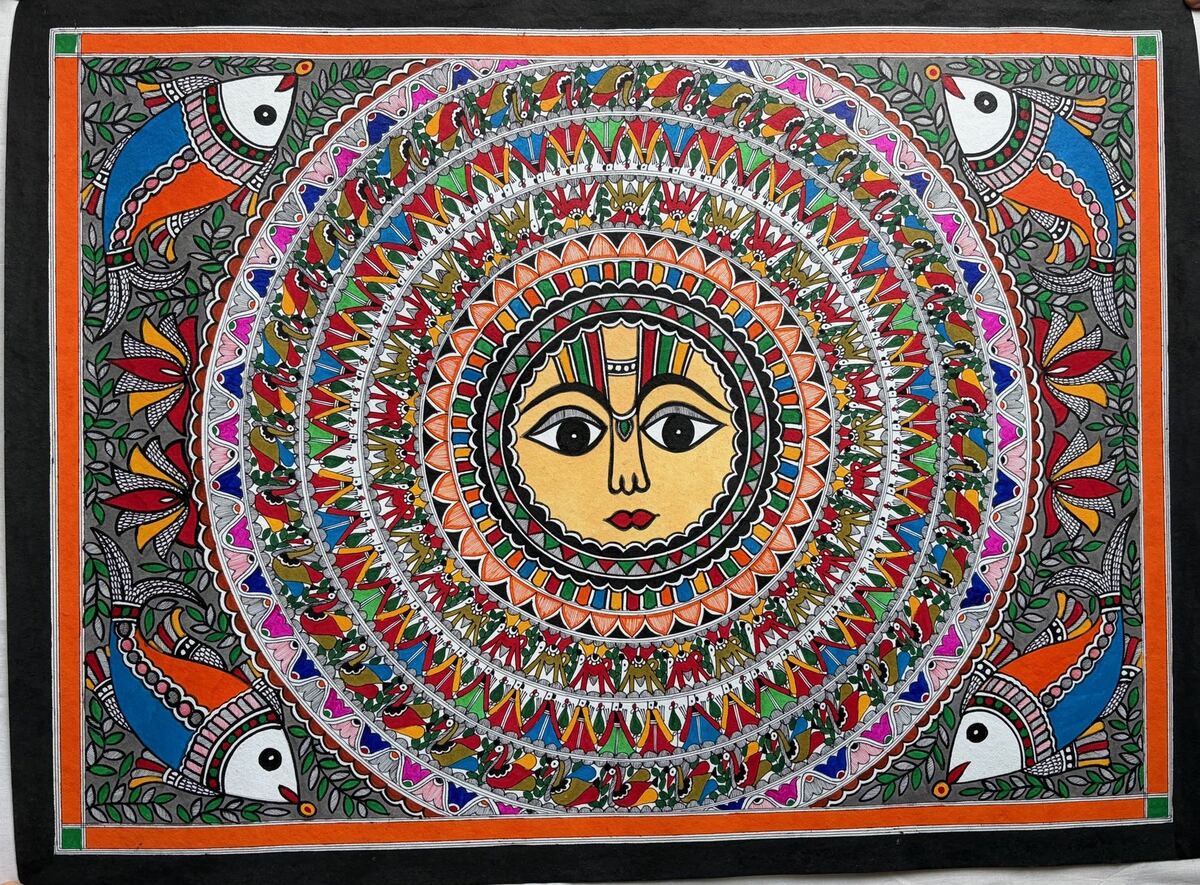
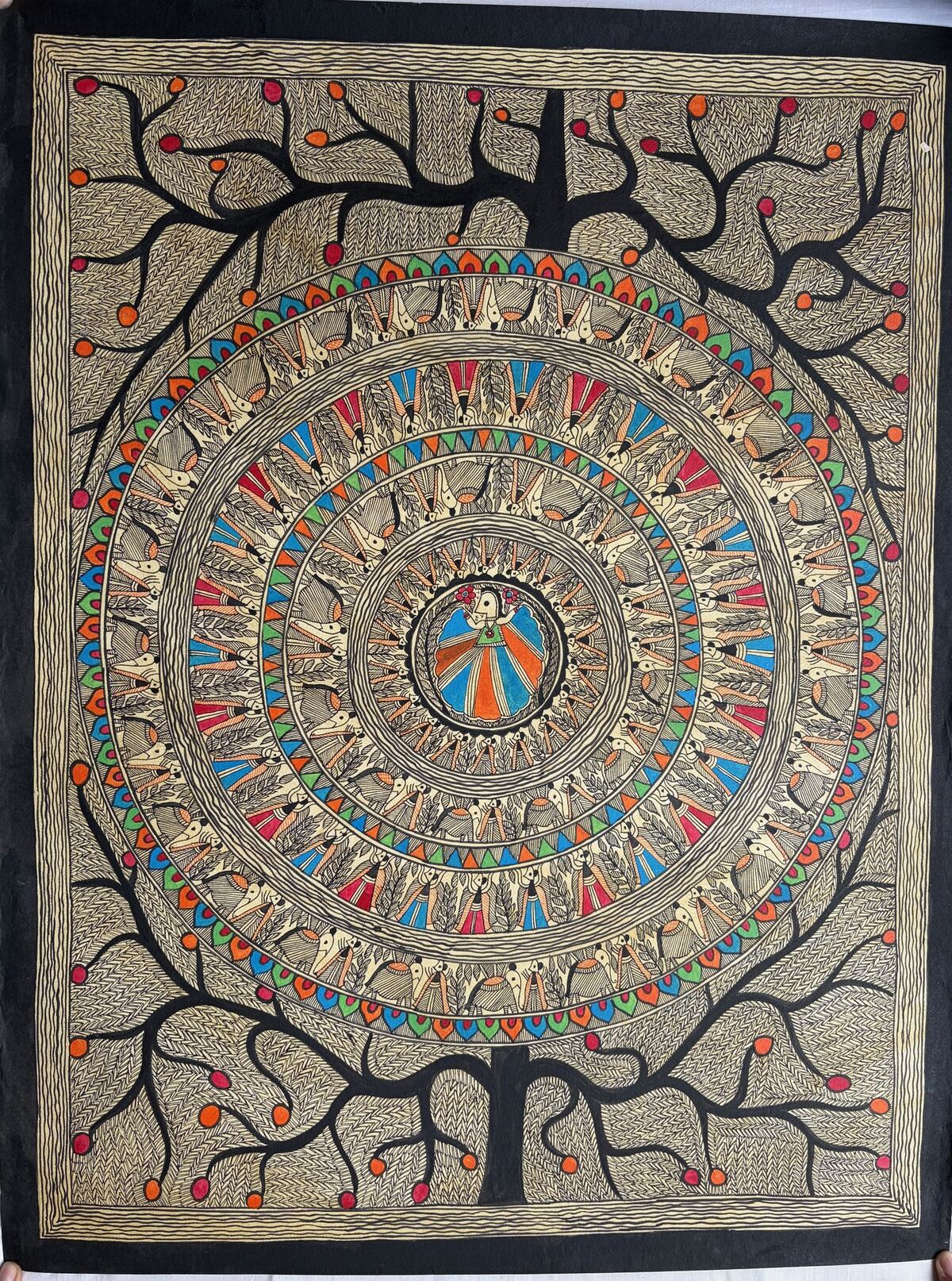
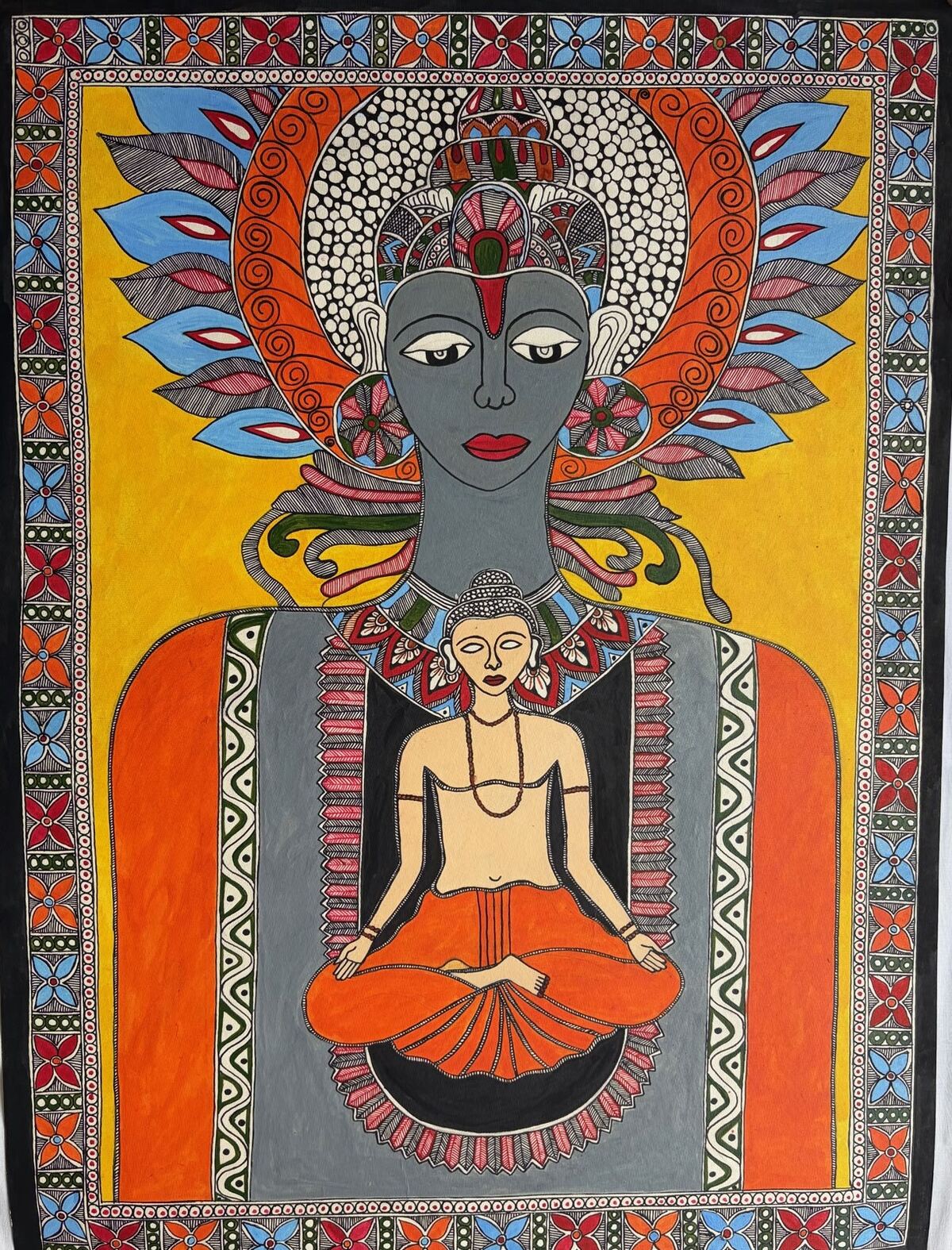
Goddesses, yantras and sacred geometry.
Rows of dots and dashes, from tattoo tradition.
The wedding-chamber painting and its symbols.
Look for the double outline, no empty space, a painted border and flat color with no shading: the marks of a true Mithila painting.
The most important painting is the kohbar, made in the bridal chamber. Its lotus, bamboo, fish and parrots are blessings for love, family and a long life together.
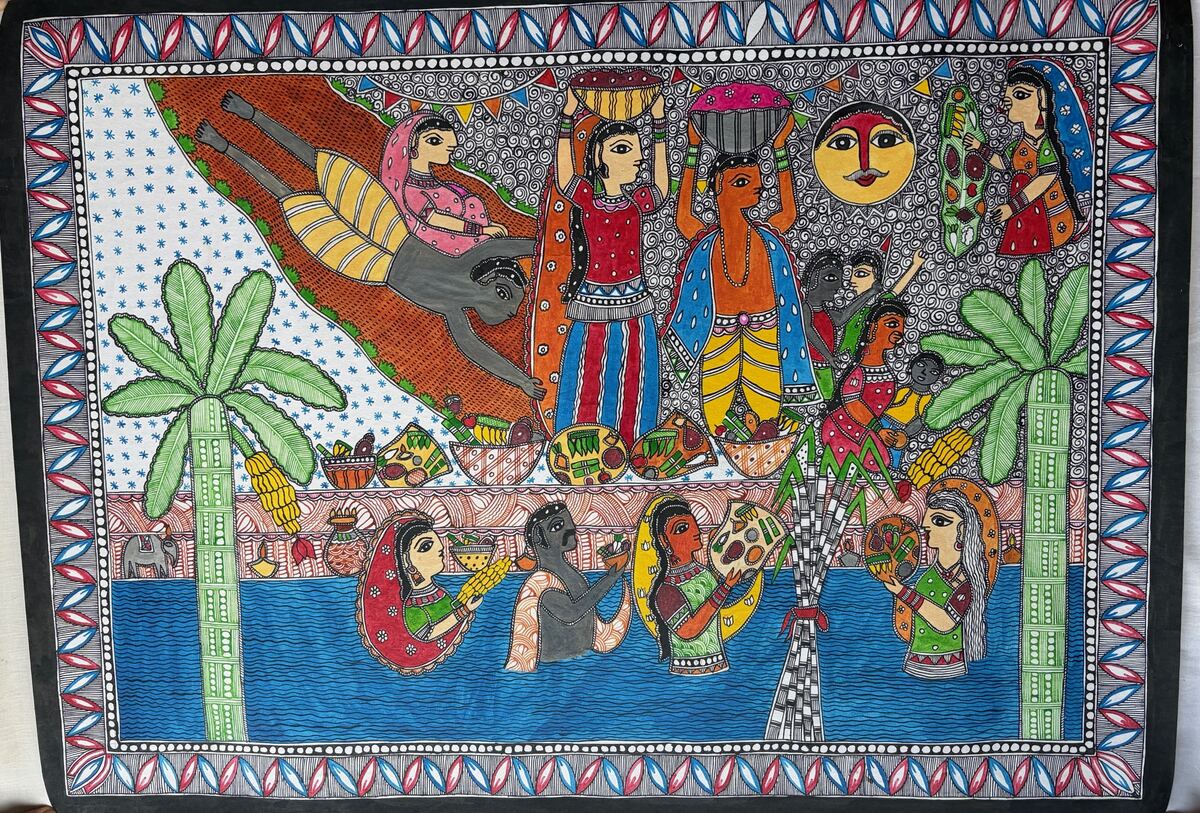
At Chhath, women stand in the river at dusk and at dawn to offer arghya to the sun. It is the scene in the House of Mithila emblem, and one painters return to again and again.
Births, festivals and daily prayers are marked in paint: Surya the sun, the gods and goddesses, and the creatures of the land and river.
Six moments in the life of a living art.
The artists of the House
Every painting in the House is credited to the artist who made it: painters from the villages of Madhubani whose work deserves to be seen.
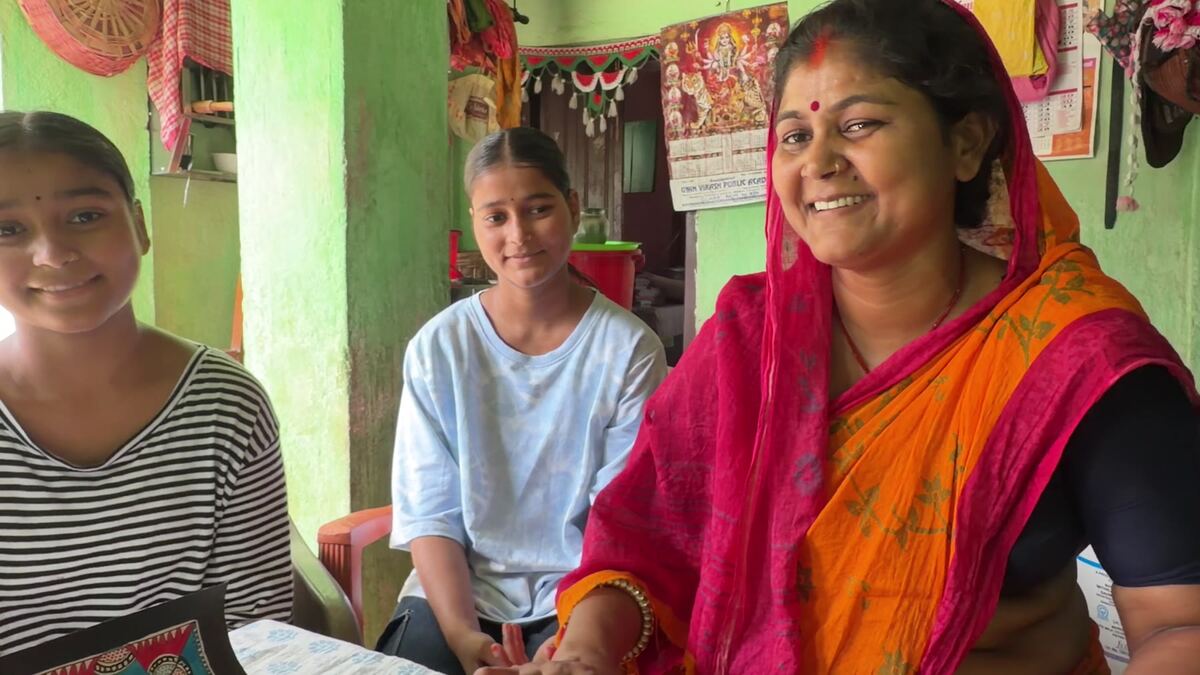
For years, Arti Devi Paswan painted for almost no one. Each afternoon, once the work of the house was done, she sat down with her colors and paper, and the finished paintings went into a trunk at home. “When no one buys your work,” she told us, “the heart goes out of painting.” She kept painting all the same.
She came to the art through marriage, into a family where painting goes back generations. Her husband's uncle, Shivan Paswan, and his wife, Shanti Devi Paswan, received the Padma Shri in 2024. Her younger brother-in-law, whom she still calls her guru, taught her. She began with Godna and has since mastered every style.
House of Mithila was the first to come to her door simply to see her work. That day, close to forty of her paintings found a new home, each paid for in full at the price she set.
“Tell me what you wish to see, and I will paint it. If it brings you joy, that is all I ask.”
A working professional painter whose art is always in demand. He paints in every style; his pieces in this collection are in the Tantrik and Bharni styles.
More artists are joining the House.
The House of Mithila promise
Each painting arrives with its own catalog number, certificate and story, so you will always know who made it and where it came from.
Every artist is paid the price they set.
Choose from up to three frames in different materials and finishes.
Who painted it, where and when, and what its symbols mean.
Packed with care and delivered to your door, framed and ready for your wall.
Nearly 60 originals · opening soon

Early access and first pick of nearly 60 originals, before the public launch.